Choosing the Best Tarantula Enclosure
Selecting the right enclosure is paramount for your tarantula’s health and well-being. The ideal tarantula enclosure provides a secure, comfortable, and enriching environment that mimics their natural habitat as closely as possible. Considerations include size, ventilation, security, and ease of maintenance. A well-chosen enclosure minimizes stress on your pet, allowing it to thrive and exhibit its natural behaviors. Understanding these key aspects ensures you create a safe and stimulating home for your tarantula, contributing to its long and healthy life. Failing to provide a suitable enclosure can lead to stress, poor molting, and even premature death. Therefore, take your time, do your research, and choose wisely.
Size Matters How Big Should It Be
One of the most crucial factors in choosing a tarantula enclosure is its size. The enclosure needs to be large enough for your tarantula to move around comfortably, molt successfully, and exhibit natural behaviors, yet not so large that the tarantula feels exposed and stressed. The appropriate size varies based on the species and the tarantula’s size (juvenile or adult). An enclosure that is too large can make it difficult for the tarantula to find food and water, and it may also make the tarantula feel insecure. It is always better to err on the side of slightly larger rather than smaller, especially for terrestrial species that require more floor space.
Determining Tarantula Size and Species
Before purchasing an enclosure, determine the adult size of your tarantula species. Research the species’ specific needs, as some tarantulas are larger and more active than others. For example, arboreal species, which live in trees, need taller enclosures, while terrestrial species, which live on the ground, need more floor space. A general rule of thumb is to provide an enclosure that is at least three times the tarantula’s leg span in width for terrestrial species and twice the leg span in height for arboreal species. Considering the species’ natural habitat and activity level will significantly help you determine the most appropriate enclosure dimensions.
Consideration for Vertical vs Horizontal
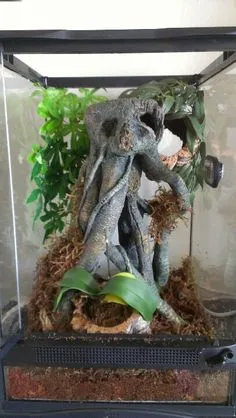
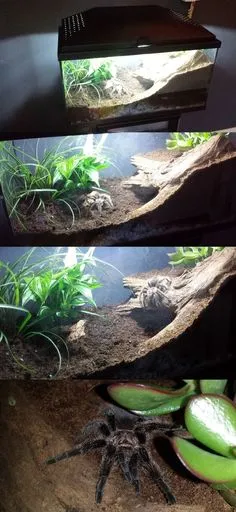
The shape of the enclosure (vertical or horizontal) should also be considered. Arboreal tarantulas, such as the Pinktoe tarantula, require vertical enclosures with ample climbing space. These enclosures should be tall enough to allow the tarantula to move vertically and build webs. Terrestrial tarantulas, such as the Chilean Rose, do better in horizontal enclosures, providing more floor space for wandering and burrowing. The horizontal enclosures also provide a better opportunity to maintain the proper humidity and temperature gradients. Choosing the correct type will significantly improve the quality of life for your tarantula and make it much easier for you to maintain the environment.
Essential Enclosure Features
Beyond size, several features are essential for a tarantula enclosure. These include proper ventilation, a secure lid, and easy access for feeding and maintenance. Choosing an enclosure with these features makes caring for your tarantula easier and safer. Proper ventilation is key to maintaining air quality, preventing mold and mildew, and regulating humidity levels. A secure lid is non-negotiable, preventing escapes, which can be dangerous for both the tarantula and your household. Easy access for feeding and watering allows for regular care without causing unnecessary stress to your pet. Prioritizing these essential features will contribute to a safe and healthy habitat.
Ventilation Importance for Tarantulas
Adequate ventilation is critical for maintaining a healthy environment. Proper ventilation prevents the buildup of harmful gases and mold. It also helps to regulate humidity levels within the enclosure. Insufficient ventilation can lead to respiratory problems, fungal infections, and overall poor health for your tarantula. Enclosures with cross-ventilation, where air enters from one side and exits from another, are ideal. Avoid enclosures with poor airflow, such as those with only top ventilation, which can trap moisture and create stagnant air. Monitoring and adjusting ventilation based on the species’ needs and environmental conditions is key to success.
Secure Lids Preventing Escape
A secure lid is vital to prevent tarantula escapes. Tarantulas are excellent climbers, and even small gaps can provide an escape route. The lid should fit snugly and have a secure locking mechanism. Regular inspection of the lid and enclosure walls is essential to ensure there are no potential escape routes. Consider enclosures with multiple locking points or those specifically designed for tarantulas. Escaped tarantulas can pose a risk to themselves (drying out, getting stepped on) and, in some cases, to others in the home. A secure lid offers peace of mind and ensures the safety of your pet and your household.
Substrate Selection for Tarantulas
The substrate, or bedding, in your tarantula’s enclosure serves multiple purposes. It provides a surface for the tarantula to walk and burrow on, helps maintain humidity, and offers a sense of security. The choice of substrate is crucial and depends on the species and its specific needs. Different substrates offer varying levels of humidity retention, burrowing capability, and aesthetic appeal. It is essential to select a substrate that is non-toxic, free of pesticides, and suitable for your tarantula’s species. Always research your tarantula’s needs, and choose a substrate that is both functional and safe. Regular substrate changes and maintenance are also necessary to keep your tarantula healthy.
Substrate Types and Their Benefits

Several substrate options are available, each with its own advantages and disadvantages. Commonly used substrates include coconut fiber, peat moss, vermiculite, and a mix of these. Coconut fiber (also known as coco coir) is a popular choice because it retains moisture well, is readily available, and is relatively affordable. Peat moss also retains moisture and can be good for burrowing species. Vermiculite is often mixed with other substrates to improve moisture retention. A mix of substrates allows for better humidity control. When selecting a substrate, consider the species’ natural habitat and preferences. Research the best options for the species you own. You can also mix substrates to get your desired outcome.
Coconut Fiber Advantages
Coconut fiber is a highly recommended substrate option. It is a renewable resource that provides excellent moisture retention and is naturally resistant to mold and mildew. It allows burrowing species to create burrows easily, providing a sense of security. Coconut fiber also has a neutral pH, which means it does not impact the tarantula. It is usually available in compressed bricks that expand when water is added, making it economical and easy to store. The benefits of coconut fiber make it an excellent choice for most tarantula species. It provides a safe and comfortable environment.
Sphagnum Moss Benefits
Sphagnum moss is another excellent substrate option, especially for species that require higher humidity levels. It retains moisture exceptionally well and can be used to create humid microclimates within the enclosure. Sphagnum moss is also a good addition to a burrowing substrate, providing a sturdy structure for the tarantula to build its burrows. It adds an aesthetic element to the enclosure, creating a more naturalistic environment. Use sphagnum moss in moderation, as too much can lead to excessive humidity. Keep in mind that sphagnum moss requires regular monitoring to prevent mold growth.
Adding Hiding Spots and Decor

Providing hiding spots and decor is vital for your tarantula’s well-being. Tarantulas are naturally shy creatures, and they need a safe place to retreat to feel secure. Hiding spots provide a refuge from stress and allow them to regulate their body temperature and humidity levels. Decor also enriches the enclosure and mimics the tarantula’s natural habitat. By offering these elements, you can significantly improve your tarantula’s quality of life and observe its natural behaviors. The inclusion of appropriate decor and hiding spots contributes to a more comfortable and stimulating environment for your pet.
Importance of Hides and Shelter
Hides are an essential element of any tarantula enclosure. They offer a secure retreat where the tarantula can hide from stress, digest food, and prepare for molting. The type of hide depends on the tarantula species, but it should be large enough for the tarantula to comfortably fit inside. Common options include cork bark, half logs, and artificial hides made from resin or plastic. The number of hides provided may vary, but providing at least one hide on each side of the enclosure is a good practice. Hides reduce stress, allow the tarantula to feel more secure, and encourage it to exhibit its natural behaviors.
Recommended Decorations and Plants
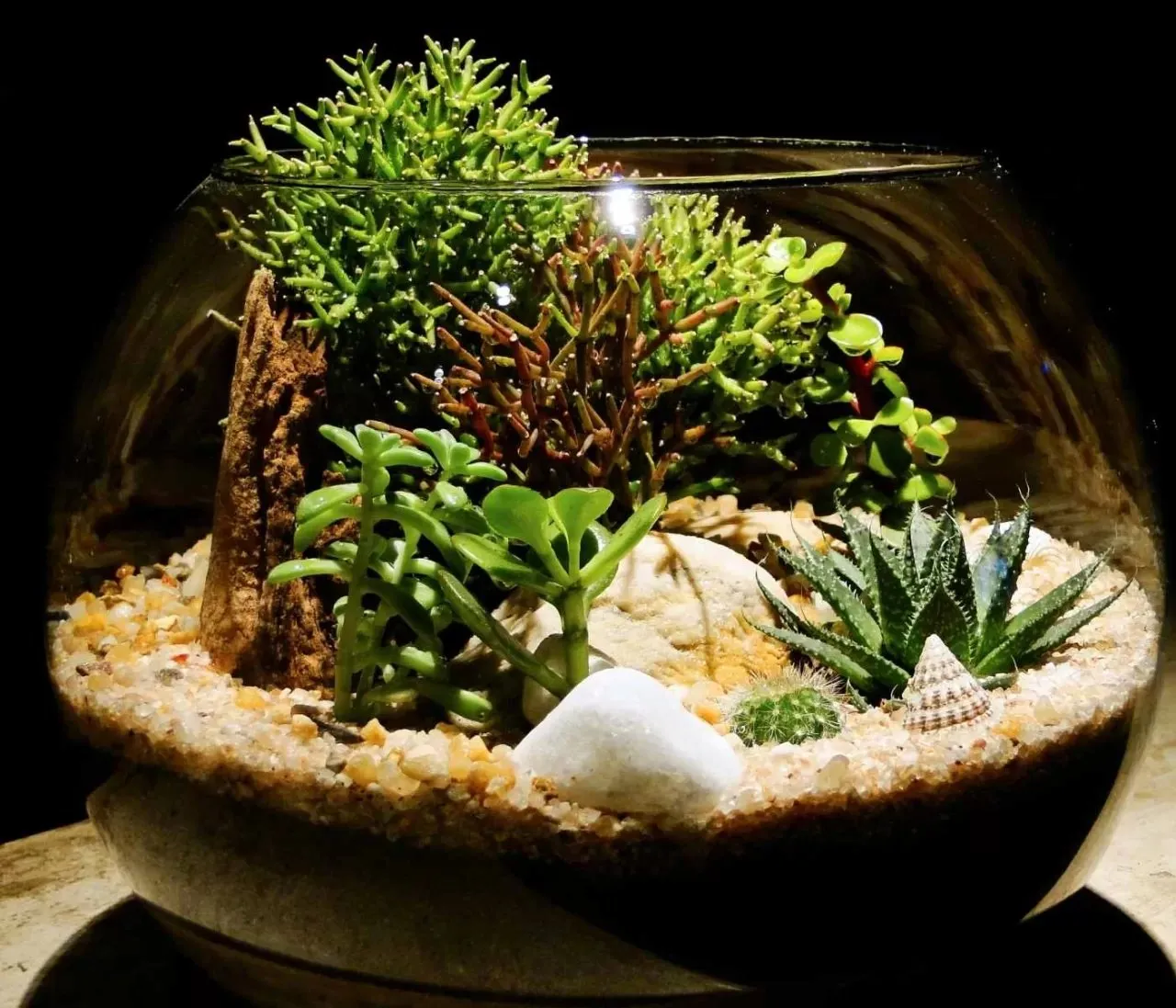
Decorations and plants enhance the aesthetic appeal of the enclosure and provide additional enrichment for your tarantula. Decorations can include artificial plants, rocks, branches, and other natural elements. They provide climbing opportunities, hiding places, and a more naturalistic environment. Live plants can also be used, but they require careful selection to ensure they are non-toxic and can thrive in the enclosure’s conditions. Choosing appropriate decorations and plants adds visual interest and provides environmental enrichment for your tarantula, contributing to its overall well-being. It is important to select decor that is safe and non-toxic.
Maintaining Humidity and Temperature

Maintaining the correct humidity and temperature is critical for the health and well-being of your tarantula. Tarantulas are ectothermic, meaning they rely on their environment to regulate their body temperature. They are also very sensitive to changes in humidity. Providing the right environmental conditions ensures that your tarantula can thrive and successfully molt. Monitoring humidity and temperature regularly and making necessary adjustments based on the species’ needs and environmental conditions is essential. Doing this will create a safe and comfortable environment that promotes your tarantula’s well-being.
Monitoring Humidity Levels
Monitoring humidity levels is crucial. Use a hygrometer to accurately measure the humidity within the enclosure. The ideal humidity range varies depending on the species, so research the specific needs of your tarantula. To increase humidity, mist the enclosure with water, add a water dish, or increase the amount of moist substrate. If the humidity is too high, improve ventilation or reduce the amount of moist substrate. Regular monitoring and adjustments ensure that the humidity levels remain within the appropriate range. Use a digital hygrometer with a probe for the best results.
Temperature Control Methods
Temperature is another important factor. The ideal temperature range also varies by species. Use a thermometer to monitor the temperature within the enclosure. Heating the enclosure may be necessary in cooler environments. The most common methods for heating enclosures include heat mats placed on the side of the enclosure, ceramic heat emitters, and incandescent bulbs. Always use a thermostat to regulate the heat source and prevent overheating. Avoid placing heat sources directly under the enclosure, as this can cause the substrate to dry out quickly. Monitor the temperature regularly to ensure it remains within the appropriate range for your tarantula.
Feeding and Water Requirements

Proper feeding and providing fresh water are fundamental to your tarantula’s health. Tarantulas are carnivores and require a diet of insects. The frequency of feeding and the size of the prey depend on the tarantula’s age and size. Fresh, clean water must always be available. Providing these elements will contribute to your tarantula’s hydration and nutritional needs. Regular feeding and watering ensure your tarantula remains healthy. You should also remove any uneaten food to prevent mold growth.
Proper Watering Techniques
Providing fresh water is essential. A shallow water dish is best for most species, preventing the tarantula from drowning. Fill the water dish with clean, dechlorinated water. Ensure the water dish is appropriately sized for the enclosure and tarantula. Replace the water regularly to keep it clean and prevent bacterial growth. For smaller tarantulas, you can mist the enclosure instead of using a water dish to ensure they have access to water. Monitoring your tarantula to make sure it is drinking from the water dish is a good practice, because it will alert you of a problem with the tarantula’s health.
Food and Frequency of Feeding
Tarantulas eat live insects, such as crickets, mealworms, and roaches. The frequency of feeding depends on the tarantula’s age, size, and metabolism. Young tarantulas typically need to be fed more often than adults. Overfeeding can lead to health issues and excessive stress. Remove any uneaten prey within 24 hours to prevent them from stressing your tarantula or causing injuries during molting. Always research the specific dietary needs of your tarantula. Choose appropriately sized prey and offer a variety of insects to provide a balanced diet. Monitor the tarantula’s abdomen to determine if it is getting enough food. A full abdomen will alert you of a good feeding regime.
Cleaning and Maintenance

Regular cleaning and maintenance are crucial for maintaining a healthy and hygienic environment for your tarantula. This includes removing uneaten food, cleaning the enclosure, and replacing the substrate. These practices prevent the buildup of waste, mold, and harmful bacteria, which can lead to health problems. Regular cleaning also makes it easier to monitor the enclosure’s conditions. Creating a cleaning schedule will help prevent unnecessary work, as well as give you time to enjoy your pet. Consistently cleaning and maintaining the enclosure demonstrates responsible pet ownership.
Regular Cleaning Schedule
Establish a regular cleaning schedule. Remove uneaten food daily, or as soon as possible. Spot clean the enclosure weekly, removing any visible waste or debris. Replace the substrate partially or completely, depending on the type of substrate and the species. A partial substrate replacement may be sufficient, but this will depend on the tarantula. Clean the water dish and any decorations regularly. Maintaining this schedule is key to creating a clean and healthy environment. Adjust the schedule as needed based on the specific needs of your tarantula and enclosure. The better the environment, the healthier your tarantula.
Replacing Substrate
The frequency of substrate replacement depends on the type of substrate, the species, and the enclosure’s size. In general, replace the substrate every few months or when it becomes heavily soiled. When replacing the substrate, carefully remove the tarantula from the enclosure, ideally into a temporary container, while you clean the enclosure. Dispose of the old substrate properly, and thoroughly clean and disinfect the enclosure. Then, add fresh substrate. If you have a burrowing species, be careful not to damage any of the tarantula’s established tunnels. Replace the substrate gradually, allowing the tarantula to re-establish itself. The cleanliness and hygiene of the enclosure will make the tarantula happy.