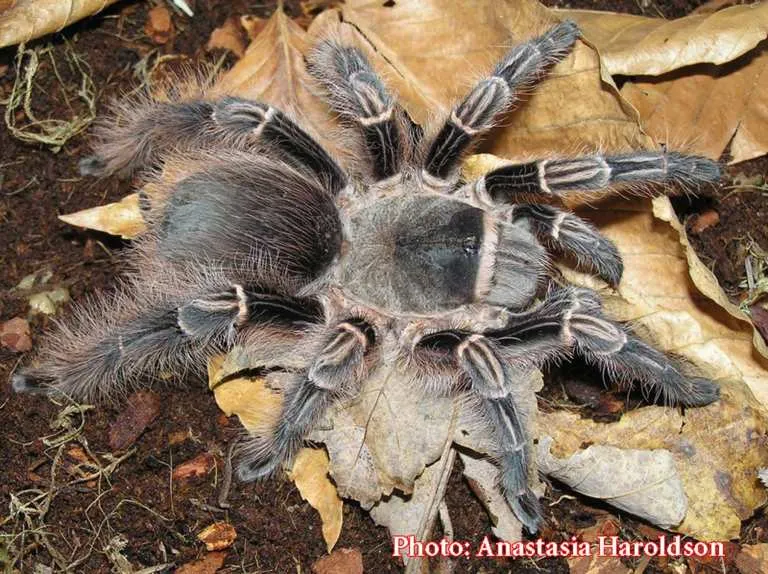
What are Dwarf Tarantulas
Dwarf tarantulas represent an excellent entry point into the fascinating world of tarantula keeping. Unlike their larger counterparts, these petite arachnids offer a manageable size and often possess calmer temperaments, making them ideal pets for beginners. Their relatively small size also translates into lower space requirements and often less demanding care routines. This guide is designed to provide comprehensive information, helping aspiring tarantula keepers select, care for, and enjoy these captivating creatures.
Why Choose Dwarf Tarantulas
The allure of tarantula ownership is undeniable, but the commitment can seem daunting to newcomers. Dwarf tarantulas present an appealing alternative, offering a rewarding experience without the significant challenges of larger species. They’re often less intimidating to handle and require smaller, more easily managed enclosures. Their manageable nature, coupled with their captivating appearance and interesting behaviors, makes them a perfect choice for those beginning their journey into the world of exotic pets.
Advantages for Beginners

- Smaller size makes them easier to handle and less intimidating.
- Require less space, making them suitable for various living environments.
- Often have a milder temperament, reducing the risk of defensive behaviors.
- Generally less expensive to acquire and maintain.
- Their care requirements are often simpler and more forgiving.
Key Considerations for Choosing a Dwarf Tarantula
Selecting the right dwarf tarantula involves careful consideration of several factors to ensure a positive experience for both the keeper and the tarantula. Understanding the specific needs of each species, as well as your own lifestyle and preferences, is essential. This section will delve into crucial aspects such as temperament, size, lifespan, and appearance, empowering you to make an informed decision and choose a dwarf tarantula that perfectly matches your expectations.
Temperament and Handling
Temperament plays a crucial role in the suitability of a tarantula for beginners. While many dwarf species are known for their docile nature, individual tarantulas can vary. Researching the specific species you’re interested in and understanding their typical behaviors is paramount. Handling should be approached with caution and respect for the tarantula’s boundaries. Always prioritize the safety and well-being of the spider, recognizing that not all tarantulas enjoy being handled.
Activity Levels and Display

Observe your tarantula to determine how much time it will spend out in the open, or if it’s a burrowing species. Some species are more active and visible, while others prefer to hide, and will only come out at night. If you’re keen on observing your tarantula, choose a species that’s known to be active and enjoys being on display. The size and design of the enclosure also play a role in showcasing your pet. A well-designed enclosure allows you to create a visually appealing display while still catering to the tarantula’s needs.
Size and Lifespan
Dwarf tarantulas, as the name suggests, are considerably smaller than many of their larger relatives. This makes them ideal for smaller living spaces and allows for more manageable care routines. Lifespan varies depending on the species, with females typically living longer than males. Considering both the size and lifespan is important when making your choice, so you’re prepared for the commitment of caring for your pet for an extended period.
Ideal Size for Beginners
When choosing a dwarf tarantula, consider the size of the adult tarantula. Species that remain relatively small, with a leg span of 3 inches or less, are usually best. This will determine the enclosure size and the amount of space you will need to provide for your pet. Remember that a smaller enclosure is easier to manage and maintain, making the experience more enjoyable for beginners.
Lifespan Expectations

Lifespan is an important factor to consider when selecting a dwarf tarantula. Female dwarf tarantulas can live for several years, sometimes up to 10 years or more, whereas males typically have shorter lifespans, often only a few years. If you’re looking for a long-term companion, choose a female. It is important to understand that commitment before acquiring a pet, ensuring that you’re prepared to care for your tarantula for its entire life.
Appearance and Coloration
Dwarf tarantulas boast a wide range of stunning colors and patterns, making them visually captivating pets. Some species have vibrant hues, while others showcase more subtle, yet equally beautiful, coloration. Research the different species to find one that appeals to your aesthetic preferences. Appearance is just one factor to consider; make sure that the tarantula’s other characteristics align with your needs and experience level.
Choosing a Healthy Dwarf Tarantula
Selecting a healthy tarantula is essential for ensuring its long-term well-being and your enjoyment as a keeper. Always obtain your tarantula from a reputable source, such as a breeder or a pet store specializing in exotic animals. Examine the tarantula carefully before making a purchase, looking for signs of health and vitality. Asking the seller about the tarantula’s history, including its feeding habits and molting schedule, can provide valuable insights.
Signs of a Healthy Tarantula

- A plump abdomen (not shrunken or overly large).
- Alert and responsive behavior.
- Clean appearance, free from parasites or injuries.
- Proper posture and movement.
- Healthy feeding habits (ask the seller if you can see it eat).
Things to Avoid
- Lethargic or uncoordinated movements.
- Visible injuries or deformities.
- A shrunken or extremely large abdomen.
- Refusal to eat.
- Parasites (mites or other visible pests).
Essential Dwarf Tarantula Species for Beginners
Certain dwarf tarantula species are particularly well-suited for beginners due to their manageable size, docile temperaments, and relatively easy care requirements. Researching the specific needs of each species is crucial to ensure that you can provide the best possible environment for your new pet. This section highlights some of the most popular and recommended dwarf tarantulas for those new to the hobby.
Species Overview

Some great options include Cyriocosmus elegans (Trinidad Chevron), Holothele incei (Trinidad Olive), and Stromatopelma calceatum (Feather Leg Baboon). These species typically have a reputation for being manageable, but each have unique qualities that will fit your needs. Take the time to understand their specific needs, behaviors, and appearance to pick the perfect species.
Common Dwarf Species Characteristics
- Small size, often with a leg span of 3 inches or less.
- Relatively docile temperament (though individual tarantulas vary).
- Moderate to fast growth rates.
- Varied coloration, from earth tones to vibrant hues.
- Adaptable to a range of enclosure setups.
Housing and Care for Dwarf Tarantulas
Proper housing and care are essential for the health and well-being of your dwarf tarantula. Providing a suitable enclosure, appropriate substrate, and maintaining the correct temperature and humidity levels will create an environment where your tarantula can thrive. Regular feeding and careful observation of your tarantula’s behavior are also critical aspects of responsible pet ownership.
Enclosure Requirements

The enclosure should be appropriately sized for the tarantula’s adult size, allowing enough space for movement and enrichment, while also being secure to prevent escape. A general rule is to provide a width and length that is at least twice the tarantula’s leg span. The enclosure should have a secure lid and good ventilation. The type of enclosure will also depend on the species.
Substrate and Furnishing
The substrate should retain moisture, yet not be too damp. Good choices include a mixture of coco fiber, peat moss, and vermiculite. Adding hides, such as cork bark or artificial plants, will provide the tarantula with places to retreat and feel secure. A water dish should be included, with shallow water to prevent the tarantula from drowning.
Temperature and Humidity
Most dwarf tarantulas thrive at temperatures between 75°F and 80°F (24°C and 27°C). A heat mat placed on the side of the enclosure, controlled by a thermostat, can help maintain the correct temperature. The humidity levels will depend on the tarantula species, so research your species carefully. You can maintain humidity by lightly misting the enclosure with dechlorinated water every few days. Regularly monitor the temperature and humidity with a thermometer and hygrometer.
Feeding Your Dwarf Tarantula

Feeding your dwarf tarantula is a simple process, but it is important to provide the right food. The frequency of feeding and the size of the prey will vary with the size and age of your tarantula. A healthy diet is critical to its overall health and well-being. Always ensure that the food is safely consumed and that your tarantula is not overwhelmed or stressed by its meals.
What to Feed
The ideal diet for a dwarf tarantula typically consists of insects such as small crickets, mealworms, or roaches. It is important to offer prey items that are no larger than the tarantula’s body size. Dust the insects with a calcium and vitamin supplement a few times a month. Always remove any uneaten prey after 24 hours to prevent stress to the tarantula.
Feeding Schedule
Juvenile tarantulas should be fed 2-3 times a week. As they mature, the frequency can be reduced to once or twice a week. Observe your tarantula’s abdomen; a plump abdomen indicates it is well-fed. A tarantula that has just molted will not eat, and it is essential to wait until their fangs have hardened before offering food.
Handling and Safety
While some dwarf tarantulas are relatively docile, it’s important to exercise caution when handling them. Always prioritize your safety and the well-being of the tarantula. Understanding the risks and taking appropriate precautions will help you enjoy your pet responsibly.
Handling Recommendations
Handle dwarf tarantulas only when necessary, and never force them. It is better to watch your tarantula than to handle it, as it can cause stress to the animal. Always wash your hands before and after handling the tarantula. Handle the tarantula close to the ground or over a soft surface, in case it falls. If your tarantula starts to act defensively, or shows signs of stress, return it to its enclosure immediately.
Safety Precautions
Although dwarf tarantulas generally aren’t considered medically significant, all tarantulas possess fangs and can bite if provoked. Tarantula bites are often compared to a bee sting, and can cause local pain. Avoid handling your tarantula unless it is absolutely necessary. If you are bitten, clean the area thoroughly with soap and water. If you experience an allergic reaction, or the pain is excessive, seek medical attention. Never allow children to handle the tarantula without adult supervision.
Conclusion
Choosing a dwarf tarantula can be a rewarding experience for beginners. By understanding the key considerations, such as species selection, care requirements, and safe handling practices, you can successfully provide your pet with a comfortable and enriching environment. Dwarf tarantulas offer a fascinating window into the world of arachnids. With a little research and dedication, you can enjoy your new companion for years to come.