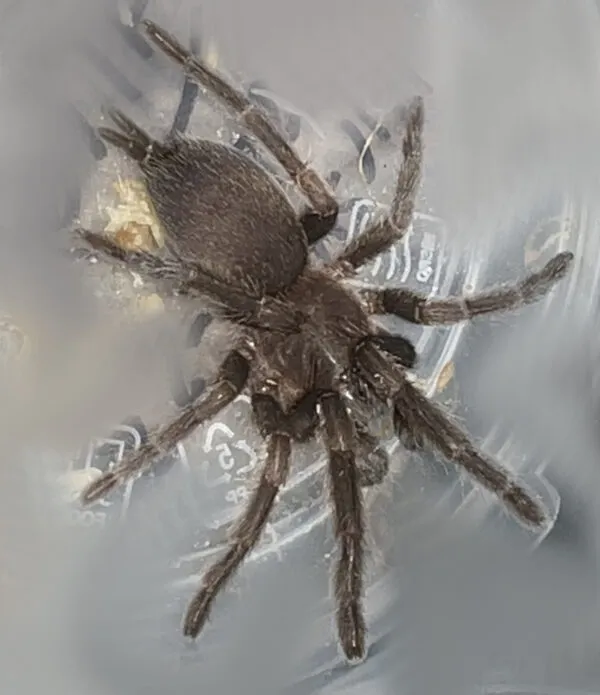
What do Australian Tarantulas Eat?
Understanding the Australian tarantula diet is crucial for keeping these fascinating creatures healthy and thriving. In the wild, they are opportunistic predators, feasting on a variety of insects and sometimes even small vertebrates. As pet owners, we need to replicate this natural diet as closely as possible to ensure our tarantulas receive the necessary nutrients for growth, molting, and overall well-being. Providing the right food not only keeps your tarantula alive but also contributes to its vibrant coloration, active behavior, and longevity. This guide will help you navigate the essentials of feeding your Australian tarantula, ensuring it lives a long and happy life.
Insects and Bugs
The cornerstone of an Australian tarantula’s diet is insects. These invertebrates offer a balanced source of protein, chitin, and other essential nutrients. Choosing the right insects is vital, as some are more nutritious than others, and some can even be harmful. The insects should be gut-loaded before feeding to your tarantula. Gut-loading involves feeding the insects a nutritious diet for at least 24 hours before offering them to your pet. This practice enriches the insects with vitamins and minerals, which are then passed on to your tarantula. This is a crucial step in providing a complete and balanced diet.
Crickets

Crickets are a readily available and widely accepted food source for Australian tarantulas. They are relatively easy to breed and purchase, making them a convenient option for many pet owners. Crickets are high in protein and are generally well-received by tarantulas of all sizes. However, it is essential to select appropriately sized crickets, as those that are too large can stress or even injure your tarantula. When introducing crickets to your tarantula’s enclosure, it’s also wise to remove uneaten crickets after a day or two to prevent them from bothering the tarantula. To improve nutritional value, gut-load crickets with commercial cricket feed or a mix of fruits and vegetables.
Roaches
Roaches, particularly Dubia roaches, are an excellent food source for Australian tarantulas. They offer a higher protein content and are less likely to escape than crickets. Roaches are also slower-moving, making them easier for the tarantula to catch. Like crickets, roaches should be gut-loaded before feeding. This ensures that your tarantula gets the maximum nutritional benefit. They’re easy to breed, which can lead to a cost-effective and consistent food supply. They also are less noisy and stinky than crickets, improving the overall habitat quality of your tarantula’s enclosure. Consider starting a small roach colony to supply your tarantula’s diet.
Mealworms and Superworms
Mealworms and superworms are another food choice, but they have a higher fat content compared to crickets and roaches. They can be offered, but they should not be the sole component of the tarantula’s diet. Overfeeding mealworms or superworms can potentially lead to obesity and other health issues. These worms can also be more challenging for smaller tarantulas to handle. It’s also important to note that superworms can burrow, so make sure your tarantula can easily locate and consume them before they disappear into the substrate. Always observe your tarantula after feeding and adjust your feeding strategy accordingly.
Other Insects

In addition to the primary insects mentioned above, you can diversify your tarantula’s diet with other insects such as grasshoppers, locusts, and waxworms. These can provide different nutrients and add variety to the tarantula’s diet, making it more stimulating for them. However, these insects should be fed sparingly, as they can be high in certain fats or have tougher exoskeletons. When selecting other insects, always ensure they are free of pesticides or other harmful substances, and gut-load them before feeding. This ensures the health and well-being of your Australian tarantula. Also, be mindful of the size of the insects, making sure they are appropriate for your tarantula’s size.
How Often to Feed Your Australian Tarantula?
The frequency of feeding your Australian tarantula depends largely on its age and size. It’s essential to strike a balance between providing enough nutrition and avoiding overfeeding. Overfeeding can lead to health problems, while underfeeding can stunt growth and weaken the tarantula. Observing your tarantula’s behavior, such as its appetite and activity level, can help you determine the optimal feeding schedule. Remember that each tarantula is an individual, and what works for one may not work for another. Regular monitoring is key to providing the best care.
Feeding Frequency Based on Age
Spiderlings, the youngest tarantulas, require more frequent feeding than adults. They are in a rapid growth phase and need more energy. Spiderlings should be fed every other day or even daily, depending on their size and appetite. As they grow, the feeding frequency can be gradually reduced. Juvenile tarantulas, which are larger and nearing adulthood, can be fed every five to seven days. Adult tarantulas typically require feeding only once every one to two weeks, although this can vary based on the individual tarantula and the size of the prey offered. Observe your tarantula’s abdomen for signs of fullness; a slightly rounded abdomen is healthy, while a significantly large abdomen may indicate overfeeding.
Feeding Frequency Based on Size

The size of the tarantula also influences feeding frequency. Larger tarantulas naturally require larger meals and can go longer between feedings. Conversely, smaller tarantulas need smaller prey items and more frequent feeding. Always adjust the size of the prey to the tarantula’s size. A good rule of thumb is to offer prey that is no larger than the tarantula’s body size. Offering prey that is too large can stress the tarantula and make it difficult for them to handle and consume. Also, monitor the abdomen size after a meal; if it is extremely large, consider offering a slightly smaller meal at the next feeding.
What to Avoid Feeding Your Tarantula
While insects are the staple of an Australian tarantula’s diet, certain foods should be strictly avoided. These foods can be harmful, causing digestive issues or even poisoning. Knowing what not to feed your tarantula is just as important as knowing what to feed it. Always prioritize your tarantula’s health and well-being when selecting its diet.
Foods to Never Offer
Avoid feeding your tarantula vertebrates, such as mice or lizards, unless specifically recommended by an experienced arachnid veterinarian, as these can contain parasites and are not a natural part of their diet. Avoid feeding wild-caught insects, as they may have been exposed to pesticides or parasites. Processed human foods, such as meat, dairy products, or sugary snacks, are also inappropriate and can cause severe health problems. Also, never feed your tarantula any insects that have died from unknown causes, as they may be carrying diseases or parasites. Always prioritize live, healthy, and appropriately sized insects to keep your tarantula healthy.
The Importance of Water

Water is as important as food for your Australian tarantula. They require a constant supply of fresh, clean water to stay hydrated and to aid in the molting process. Dehydration can be fatal for tarantulas, so providing water is a crucial aspect of their care. Regularly monitoring and maintaining the water source is essential for their overall health and well-being.
Water Bowl or Spraying
There are two main ways to provide water for your Australian tarantula: a water bowl or misting/spraying the enclosure. A shallow water bowl is the most common method, and it should be easily accessible and filled with fresh water regularly. The water bowl should be shallow enough to prevent the tarantula from drowning, especially for smaller specimens. Alternatively, you can mist or spray the enclosure with water, typically a couple of times a week, allowing the tarantula to drink the water droplets. This method also helps maintain proper humidity levels, which are important for molting. Always ensure the enclosure has adequate ventilation to prevent excessive humidity and mold growth. Regularly check and clean the water source to prevent the growth of bacteria and provide the best possible environment for your tarantula.
Why Is a Proper Diet Important for Your Tarantula?
A proper diet is fundamental for the health, growth, and longevity of your Australian tarantula. It directly impacts its ability to molt successfully, maintain its vibrant colors, and exhibit its natural behaviors. A well-fed tarantula is less likely to be stressed and more likely to thrive in its enclosure. It also ensures they have the necessary resources to fight off infections and diseases. By following the dietary guidelines outlined in this guide, you can provide your tarantula with the best possible care, ensuring it lives a long and healthy life, allowing you to enjoy its presence for many years to come. Remember that a well-cared-for tarantula is a happy tarantula.