Arboreal Tarantula Care Top 5 Tips!
Arboreal tarantulas, with their vibrant colors and fascinating behaviors, make captivating pets. However, caring for these fascinating creatures requires understanding their specific needs. Unlike terrestrial tarantulas, arboreal species live in trees and require a different approach to enclosure, feeding, and handling. This guide offers five essential tips to ensure your arboreal tarantula thrives, providing it with a long, healthy, and fulfilling life. Proper care not only benefits the tarantula but also enhances your experience as a dedicated arachnid enthusiast. Learn these essential tips to become a better arboreal tarantula keeper!
Tip 1 Provide the Right Enclosure
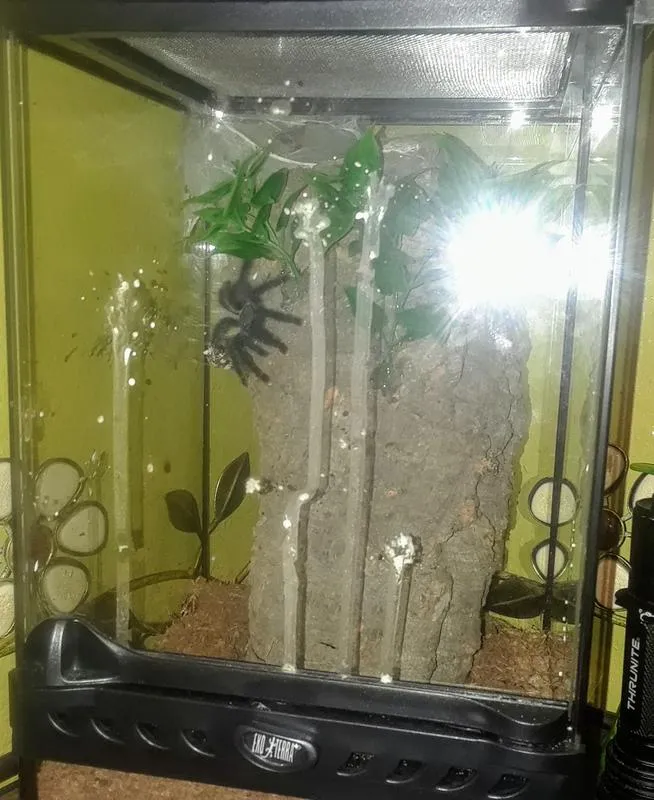
The enclosure is the foundation of a healthy arboreal tarantula’s life. It should replicate their natural habitat as closely as possible, offering space to climb and hide. A tall enclosure is a must, as arboreal tarantulas spend most of their time off the ground. Consider the species’ adult size when choosing the enclosure; a juvenile will quickly outgrow a small setup. The enclosure’s material should be either glass or clear plastic, allowing you to observe your pet. A secure lid is also vital to prevent escapes, as these spiders are masters of climbing and can squeeze through small openings. Ventilation is another important consideration. Proper airflow prevents the buildup of mold and stale air, keeping the enclosure fresh and the tarantula healthy.
Size and Ventilation

For a mature arboreal tarantula, a terrarium at least 12x12x18 inches, or larger, is recommended. The height is crucial, allowing for climbing and web-building. Ventilation can be achieved through a screen top or strategically placed holes in the sides of the enclosure. Ensure the ventilation does not compromise the humidity levels necessary for your tarantula’s well-being. Poor ventilation can lead to mold growth and other health issues. The design should provide both security and a natural environment, making your tarantula feel safe and encouraging its natural behaviors. Remember to match the enclosure size to the tarantula species; some can grow quite large.
Substrate and Decor
The substrate should be a moisture-retaining material. A mix of coco fiber, peat moss, and sphagnum moss works well. This helps maintain the proper humidity levels. Provide plenty of decor for climbing and hiding. Cork bark, branches, and artificial plants offer both security and enrichment. Secure the decor to prevent it from falling and potentially harming the tarantula. This also gives the tarantula places to build its web. Arrange the enclosure to simulate a vertical environment, where the tarantula can explore. The decor will provide visual interest for both you and your tarantula.
Tip 2 Maintain Optimal Humidity
Humidity is crucial for arboreal tarantulas, especially those from tropical regions. Proper humidity helps with molting and overall health. Monitoring and adjusting the humidity levels in the enclosure is an essential part of tarantula care. Low humidity can lead to molting problems and dehydration, while excessive humidity can cause mold and fungal growth. The goal is to create an environment that mimics the tarantula’s natural habitat as closely as possible, ensuring it remains healthy and comfortable.
Monitoring Humidity Levels

Use a hygrometer to accurately measure the humidity within the enclosure. These devices are inexpensive and readily available at pet stores. Position the hygrometer in a spot where you can easily read the levels. The ideal humidity range varies depending on the species, but in general, 60-80% is a good target for many arboreal tarantulas. Regular monitoring will help you identify fluctuations and take corrective action. Humidity levels will change based on the time of day, and you will have to adapt to the situation.
Methods for Increasing Humidity
Misting the enclosure with a spray bottle filled with dechlorinated water is a common method. Mist the enclosure once or twice a week, depending on the humidity levels. Ensure the substrate remains slightly moist but not waterlogged. You can also add a water dish, which will contribute to humidity through evaporation. Covering a portion of the screen top can also help to retain moisture. This creates a microclimate within the enclosure, supporting the tarantula’s health and well-being. Avoid over-misting to prevent the risk of mold. You can also use a humidifier, particularly in very dry climates.
Tip 3 Offer Appropriate Feeding
Feeding your arboreal tarantula correctly is vital for its growth and health. The frequency and type of food offered are essential considerations. Overfeeding can lead to obesity and other health problems, while underfeeding can stunt growth. Knowing what to feed your tarantula and how often is an important part of providing excellent care. Always remove any uneaten prey to prevent stress or injury to the tarantula. Also, remember that tarantulas can go for months without food, especially during molting or when they are close to molting.
Choosing the Right Prey

Crickets, roaches, and mealworms are common choices. The size of the prey should be appropriate for the size of your tarantula. As a general rule, the prey should be no larger than the tarantula’s abdomen. Variety in the diet is also beneficial. Consider offering different types of insects to provide a more balanced diet. Ensure the prey is gut-loaded before feeding. Gut-loading means feeding the insects nutritious food before offering them to your tarantula, enriching their nutritional value.
Feeding Frequency
Younger tarantulas, or spiderlings, should be fed more frequently, about twice a week. Adults can be fed less frequently, once every one to two weeks, depending on their size and appetite. Observe your tarantula’s abdomen; if it appears plump, it is well-fed. If the abdomen looks thin, consider increasing the feeding frequency. During molting, tarantulas typically stop eating, so don’t be alarmed if your pet refuses food. Remove any uneaten prey within 24 hours to avoid stressing your tarantula or potential injury.
Tip 4 Handle with Caution
Handling arboreal tarantulas can be risky, as they are prone to falling and their venomous bites. While most tarantulas are not deadly to humans, a bite can still be painful. For most tarantulas, handling is not necessary. The stress of being handled may also cause the tarantula to drop or bite. Consider the risks before handling your tarantula and always prioritize its safety and your own. Understanding the tarantula’s temperament and behavior is vital for safe handling practices.
Understanding Tarantula Temperament

Each tarantula species has its own temperament. Some are docile, while others are defensive or skittish. Research your tarantula’s species to understand its typical behavior. Signs of a defensive posture include rearing up on their hind legs, raising their front legs, or flicking urticating hairs. If your tarantula displays these behaviors, it’s best to leave it alone. Some tarantulas also have a tendency to run and hide, especially when startled. Always be aware of your tarantula’s behavior before attempting to handle it.
Safe Handling Practices
If you choose to handle your tarantula, do so close to the ground or over a soft surface to minimize the risk of injury if it falls. Avoid sudden movements and loud noises. Gently encourage the tarantula to walk onto your hand, rather than trying to grab it. Never force the tarantula. Wash your hands thoroughly before and after handling to prevent the spread of any potential irritants. Keep a close eye on the tarantula during handling and be prepared to put it back into its enclosure if it becomes agitated or shows signs of stress.
Tip 5 Ensure Proper Health and Hygiene
Maintaining a clean enclosure and recognizing signs of illness are essential to keep your arboreal tarantula healthy. Regular cleaning and observation are crucial for the longevity and well-being of your pet. A healthy tarantula will exhibit vibrant colors and active behaviors, while an unhealthy one may show changes in behavior, appetite, or appearance. The sooner you notice any issues, the faster you can address them. Knowing how to clean the enclosure and what to look for will help keep your tarantula happy and healthy for many years.
Recognizing Signs of Illness

Look out for unusual behaviors such as a lack of appetite, lethargy, or difficulty moving. Other signs include discoloration, loss of limbs, or the presence of parasites or mites. If you notice any of these, consult with a veterinarian experienced in exotic animals. Sometimes, changes in the environment, such as humidity or temperature, can cause health issues. Also, note any changes in molting; if the tarantula has trouble molting, it could be a sign of a problem. Early detection and treatment are key to a positive outcome.
Cleaning the Enclosure
Spot-clean the enclosure weekly by removing any uneaten food, dead insects, and fecal matter. Replace the substrate every few months, or more frequently if it becomes excessively soiled. Be careful when cleaning the enclosure not to disturb the tarantula. Use a gentle cleaner and avoid harsh chemicals. Always rinse the enclosure thoroughly with water to remove any traces of the cleaner. Ensure that the enclosure is completely dry before returning the tarantula to its home.
Conclusion
Caring for an arboreal tarantula can be an enriching and rewarding experience. By following these five key tips, you can create a thriving habitat for your fascinating pet. Remember that the proper enclosure, humidity levels, feeding practices, handling precautions, and health maintenance are critical for your tarantula’s well-being. Always research the specific needs of your tarantula species and observe your pet carefully. Providing the right care will not only ensure your tarantula’s health and longevity but will also deepen your appreciation for these amazing creatures. Enjoy the journey of arboreal tarantula ownership!