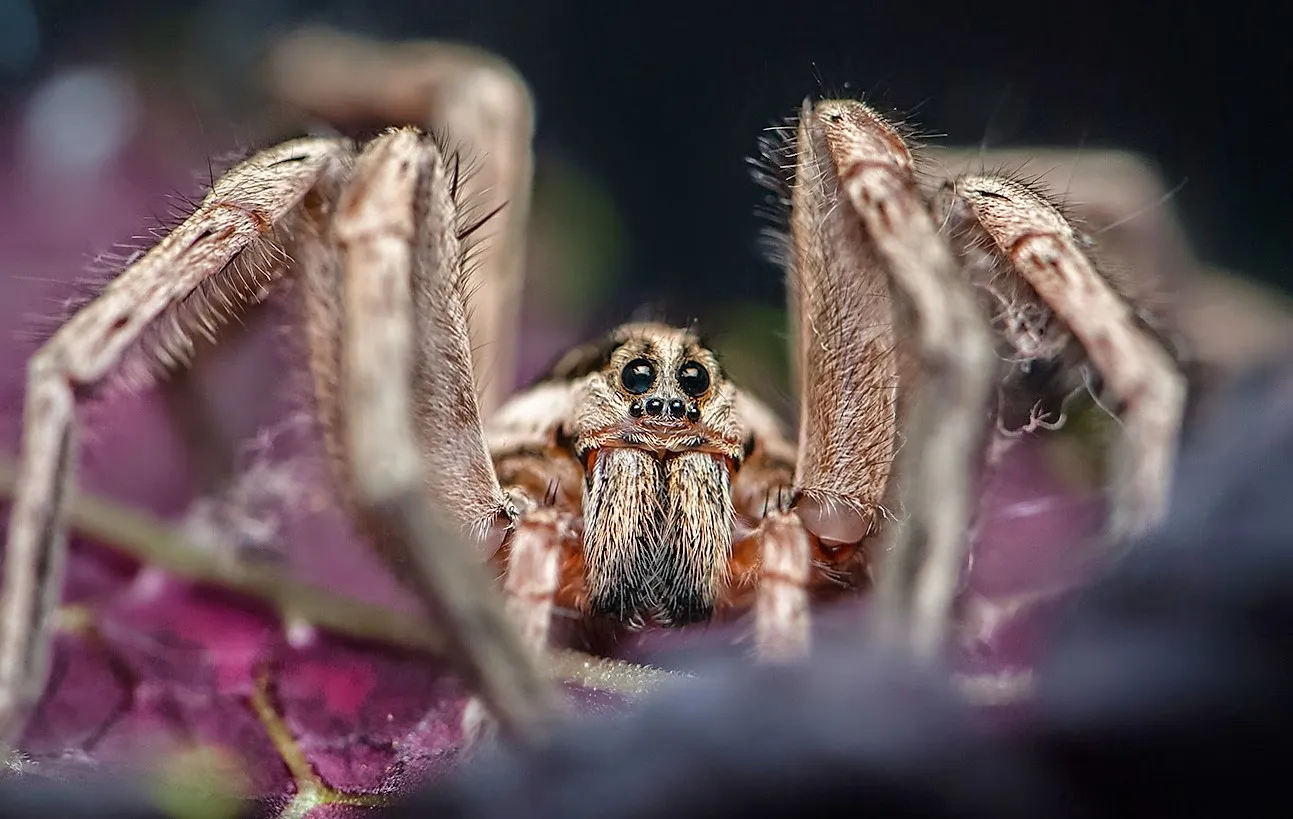
The world of tarantulas is full of surprises, with these fascinating creatures exhibiting a wide range of behaviors. Understanding the activity levels of your tarantula can provide valuable insights into its health, well-being, and overall temperament. Some tarantulas are known for their active nature, frequently exploring their enclosures and displaying a keen interest in their surroundings. This blog post explores the concept of activity in tarantulas, delving into the factors that influence their behavior and revealing five captivating facts about these incredible arachnids. Whether you are a seasoned tarantula enthusiast or a curious beginner, this guide will enrich your appreciation for these often-misunderstood creatures.
What Defines an Active Tarantula
Defining an “active” tarantula involves observing its movement patterns, feeding habits, and overall interaction with its environment. Active tarantulas typically spend a considerable amount of time exploring their enclosure, whether it’s during the day or at night. They may be seen walking around, climbing, or interacting with the objects within their habitat. Active species are also more likely to exhibit a strong feeding response, quickly seizing prey when offered. Furthermore, active tarantulas may display behaviors such as burrowing, web-spinning, and territorial defense. These behaviors are all indicators of a tarantula that is comfortable and engaged with its surroundings.
Activity Levels Explained
Activity levels in tarantulas are not uniform across all species. Some species are naturally more active than others. For example, certain terrestrial tarantulas, like the Brazilian Black (Grammostola pulchra), might be relatively sedentary, spending a significant amount of time in their burrows. Conversely, arboreal species, such as the Pinktoe Tarantula (Avicularia avicularia), are generally more active, exploring their enclosure and climbing. Furthermore, a tarantula’s activity can fluctuate depending on its age, with juveniles often being more active than adults. The time of day can also affect activity, with many tarantulas being nocturnal or crepuscular (active at dawn and dusk).
Factors Affecting Activity

Several factors can influence a tarantula’s activity levels. Temperature and humidity play a crucial role, with optimal conditions encouraging more activity. An appropriately sized and well-designed enclosure that offers opportunities for exploration and enrichment can also stimulate activity. Additionally, the availability of food, the presence of suitable hiding places, and the absence of stress factors (such as excessive handling or loud noises) all contribute to a tarantula’s overall activity level. It’s important to create and maintain an environment which mimics the tarantula’s natural habitat to keep it healthy and active.
Top 5 Active Tarantula Facts
Fact 1 Understanding Hunting Behavior
Active tarantulas are often characterized by their keen hunting skills. They are ambush predators, utilizing their speed and venom to capture prey. The hunting process can be fascinating to observe. The tarantula uses its chelicerae (fangs) to inject venom into the prey, immobilizing it before feeding. Active species will often display a quick and decisive strike when presented with food. They may also actively seek out prey, exhibiting exploratory behavior within their habitat.
Fact 2 Burrowing and Web-Spinning

Burrowing and web-spinning are important aspects of tarantula behavior. Many active terrestrial tarantulas are avid burrowers, creating intricate underground systems that provide shelter and protection. The ability to burrow is essential for thermoregulation and escape from predators. Web-spinning also plays a role. Tarantulas use silk to create webs, which serve as both a trap for prey and a means of communication and environmental assessment. Active tarantulas tend to be adept at both burrowing and web-spinning, consistently maintaining and modifying their habitats.
Fact 3 Activity During Mating Season
During the mating season, male tarantulas often exhibit increased activity as they search for a mate. They may leave their burrows and actively wander in search of females. This wandering behavior can make them more vulnerable to predators. The males also engage in courtship rituals, such as drumming or vibrating their bodies, to attract potential mates. These behaviors are indicative of increased activity levels in male tarantulas during the mating season.
Fact 4 Differences Between Species
The activity levels among tarantula species vary significantly. Some species are naturally more active than others due to their evolutionary adaptations. For example, arboreal tarantulas like the Pinktoe Tarantula (Avicularia avicularia) are typically more active and exploratory than many terrestrial species. Understanding these species-specific differences is crucial for providing appropriate care and enriching their environment.
Fact 5 Impact of Environment

The environment significantly impacts a tarantula’s activity. A well-designed enclosure with appropriate temperature, humidity, and substrate encourages natural behaviors. Providing a variety of enrichment items, such as branches, hides, and live plants, also fosters activity. Stressors, such as excessive handling or unsuitable environmental conditions, can decrease activity levels. Therefore, creating an ideal habitat is crucial to ensure your tarantula remains active and healthy.
Caring for Active Tarantulas
Enrichment and Habitat Design
Enrichment is essential for promoting activity in tarantulas. Providing a complex and stimulating environment can encourage natural behaviors. Including various substrate levels, hiding places like cork bark or artificial plants, and climbing structures like branches can all contribute to enrichment. Varying the layout of the enclosure periodically adds novelty and maintains interest. The goal is to stimulate the tarantula’s curiosity and exploration instincts, which are key to keeping them active and engaged.
Feeding and Diet

Proper nutrition plays a crucial role in supporting an active tarantula. A balanced diet consisting of appropriately sized insects is essential. The frequency of feeding will depend on the species, age, and activity level of the tarantula. Overfeeding can lead to obesity, while underfeeding can result in lethargy. Active tarantulas typically have a healthy appetite and will readily accept food. Observing their feeding habits can provide valuable insights into their health and activity levels. Ensure access to fresh water at all times.
Monitoring Health and Activity
Regular monitoring of your tarantula’s health and activity is crucial for their wellbeing. Observing their behavior, eating habits, and overall appearance allows you to identify potential issues. A sudden decrease in activity, refusal to eat, or changes in posture can be indicators of illness or stress. Maintaining a detailed record of these observations can help you recognize patterns and trends in your tarantula’s behavior. Consult with a veterinarian specializing in exotic animals if you notice any concerning changes in your pet’s activity or health.
In conclusion, understanding the activity levels of tarantulas offers valuable insights into their health and well-being. By creating an enriched environment, providing appropriate care, and observing their behavior, you can ensure your tarantula thrives. Remember to research the specific needs of your tarantula species and to seek professional veterinary advice when necessary. Enjoy the fascinating world of these remarkable creatures!